
Fast and Reliable Tree Trimming for Your Property
Different trimming techniques include crown thinning, crown raising, and crown reduction. Each serves a specific purpose and is suitable for different types of trees and objectives.
Regular trimming improves tree health, prevents hazards from falling branches, and enhances aesthetic appeal. It can also promote fruit production and flowering in certain species.
Late fall and winter, including late November and early December, are ideal times for trimming many trees. During this period, trees are dormant, reducing stress and promoting healthy regrowth.
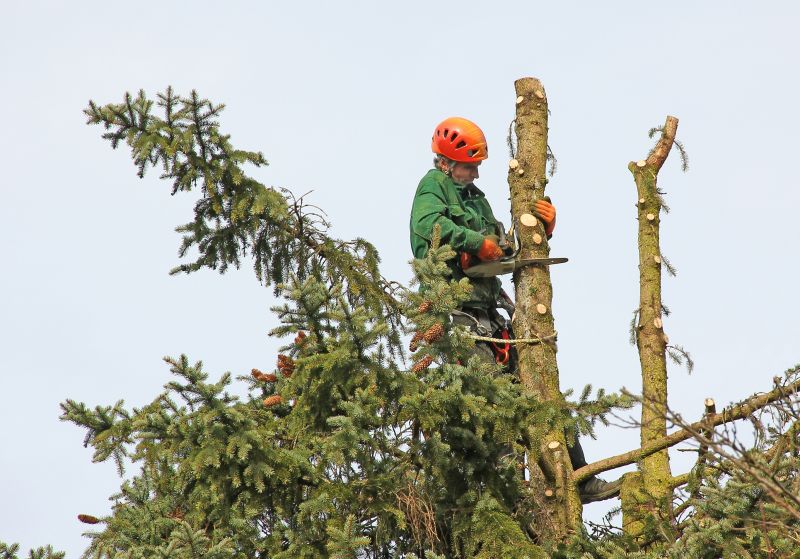
Professionals use specialized tools such as pruning shears, saws, and pole trimmers to ensure precise and safe trimming.
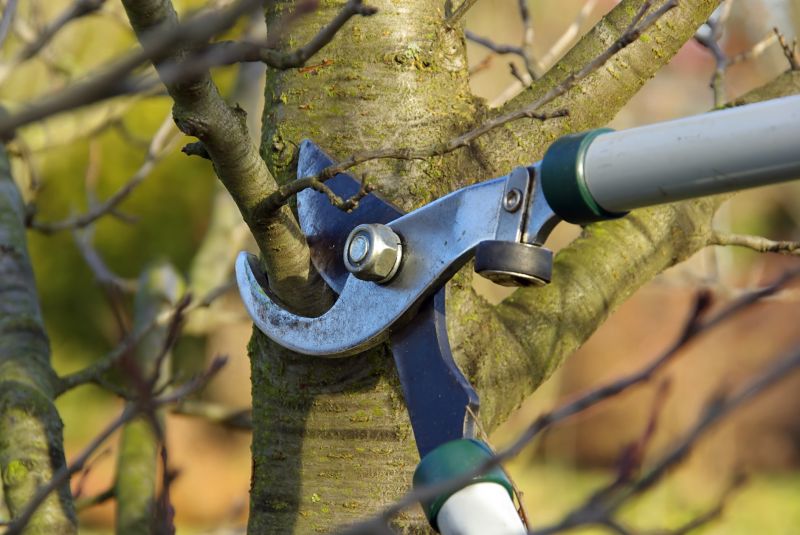
Proper trimming stimulates new growth and maintains the structural integrity of trees.
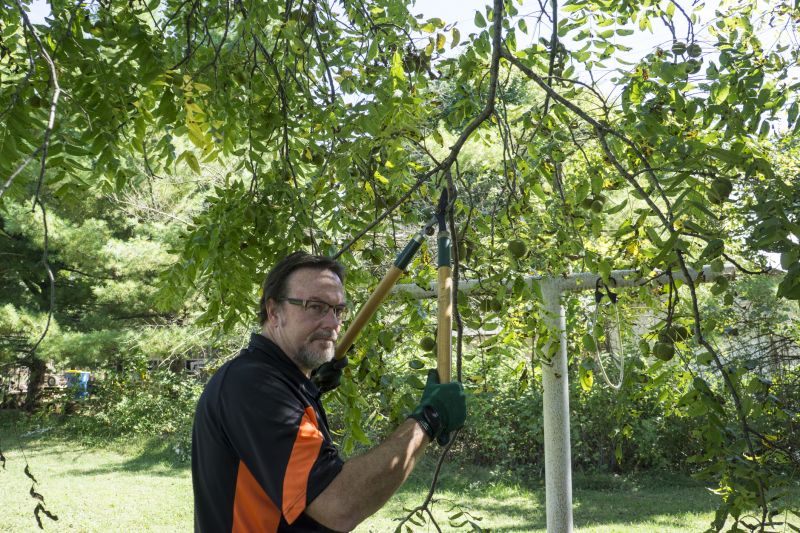
Timing and technique vary with seasons; late November and early December are optimal for many trimming projects.
| Tree Trimming Technique | Purpose |
|---|---|
| Crown Thinning | Reduces density for better light penetration and air circulation. |
| Crown Raising | Removes lower branches to clear space for vehicles or pedestrians. |
| Crown Reduction | Reduces the size of the tree to prevent interference with structures. |
| Deadwood Removal | Eliminates dead or diseased branches to promote health. |
| Structural Pruning | Shapes the tree and improves stability. |
Many contractors offer discounts during Black Friday and holiday seasons. Asking about special rates or promotions can provide opportunities for cost savings on tree trimming services during late November and early December.
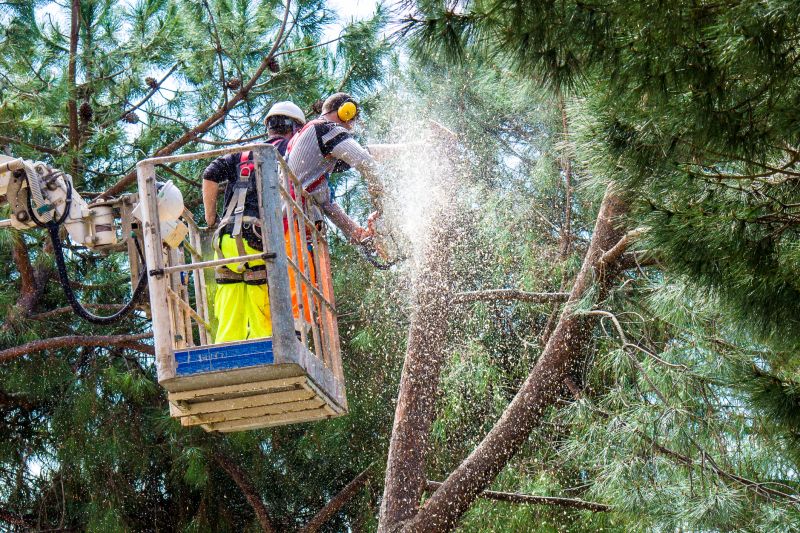
A professional trimming a large tree using safety equipment and precision tools.
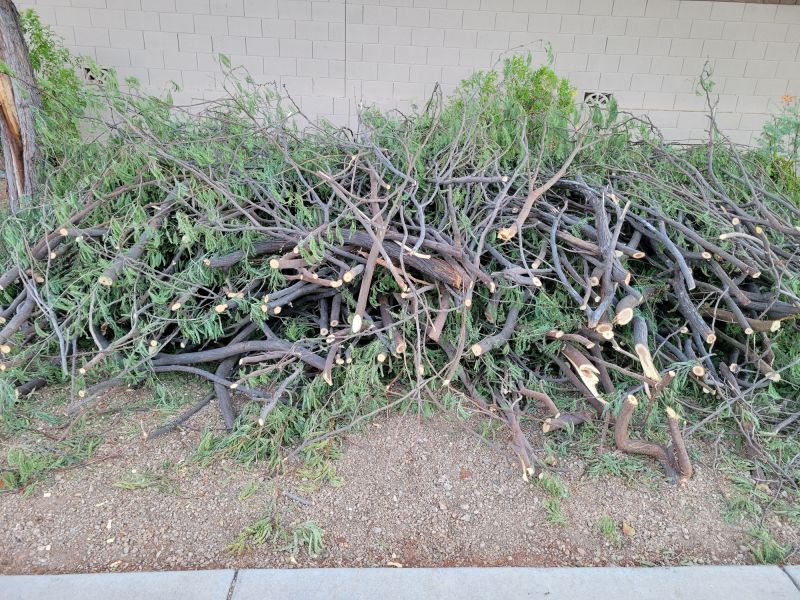
Freshly cut branches demonstrating proper trimming techniques.
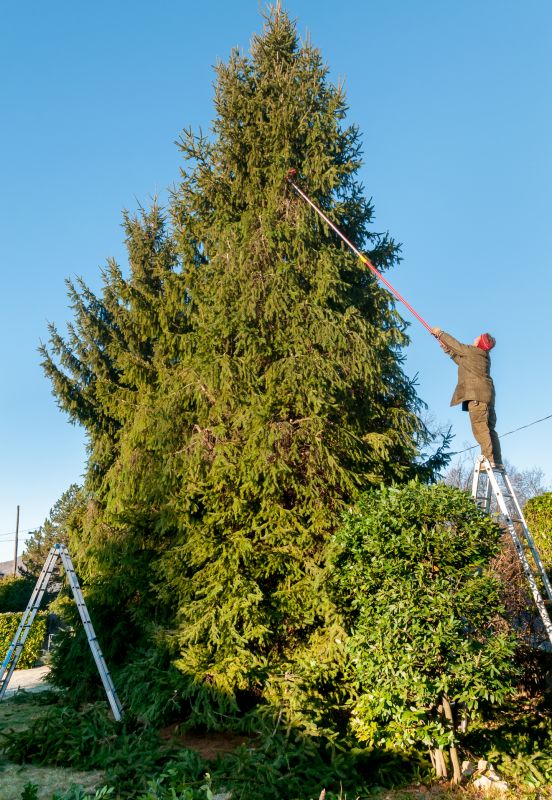
Trees prepared for winter with strategic trimming to promote health.
Interested in scheduling tree trimming services? Filling out a contact form can help obtain a quote and discuss available discounts for holiday seasons.